Bed Bug Heat Treatment for Efficient Bed Bug Removal
Bed Bug Heat Treatment for Efficient Bed Bug Removal
Blog Article
Effective Bed Bug Treatment Methods for a Pest-Free Home
Bed bugs present a significant problem for homeowners seeking a pest-free habitat. Understanding their patterns and productive methods is paramount. A combination of do-it-yourself plans and skilled pest control can yield the best results. This discussion will explore essential implements, proven home treatments, and qualified options. Likewise, preventive actions can help guarantee that these pests do not reappear. The journey to a bed bug-free home requires attentive examination and strategic efforts.
Understanding Bed Bugs: Identification and Behavior
Bed bugs, small parasitic insects part of the Cimex lectularius species, are legendary for their ability to disturb slumber and provoke unease. Notable by their sleek, rounded bodies and dark-brown coloration, adult bed bugs measure about a quarter of an inch in length. Their size and shape allow them to hide easily in splits and stitching of furniture, bedding, and walls.
Bed bugs are chiefly nocturnal, taking the blood of their hosts during the night. They are attracted by carbon dioxide and body heat, making humans suitable hosts. Breeding takes place rapidly; a single female can lay hundreds of eggs in her lifetime. Understanding the tendencies and ways of bed bugs is essential for effective management, as they can quickly infest homes and remain dormant for extended periods. Their resilience to environmental changes emphasizes the criticality of early detection and intervention.
Must-Have Tools for Successful DIY Pest Treatment
An successful DIY bed bug treatment requires a strategic method, and obtaining the proper tools is essential for success. Key tools include a high-quality vacuum cleaner with a HEPA filter, which effectively captures bed bugs and their eggs from multiple surfaces. Steamers are also necessary; the high temperatures kill bed bugs on contact, rendering them ideal for treating mattresses and upholstery.
Bed bug traps can be set under furniture legs to monitor and catch any pests trying to scale. Also, encasements for mattresses and box springs prevent pest problems and protect against subsequent infestations. A good flashlight is necessary for thorough inspections in poorly lit spaces, while rubbing alcohol can act as a quick targeted fix.
At last, a robust brush assists in dislodging bugs from crevices. Together, these tools establish a complete arsenal for combating bed bug infestations efficiently.
Effective Home Cures for Bed Bug Control
Property owners seeking relief from bed bug infestations often rely on proven treatments that can be found in their own kitchens or local stores. One effective approach involves using natural oils, specifically tea tree and lavender oil, known for their insect-repellent properties. Mixing these oils with water and spraying them on affected areas may help deter bed bugs. Another popular remedy is diatomaceous earth, a natural powder that dehydrates the bugs upon contact, successfully getting rid of them over time.
Freezing items that cannot be washed, such as shoes or stuffed animals, for several days can also remove bed bugs. Moreover, a thorough vacuuming of infested areas followed by steam cleaning can interfere with their habitats. While these home remedies may not ensure complete eradication, they can function as beneficial adjuncts to a broad pest control strategy. Homeowners should be vigilant and observe for any signs of resurgence.
How to Find Professional Bed Bug Control
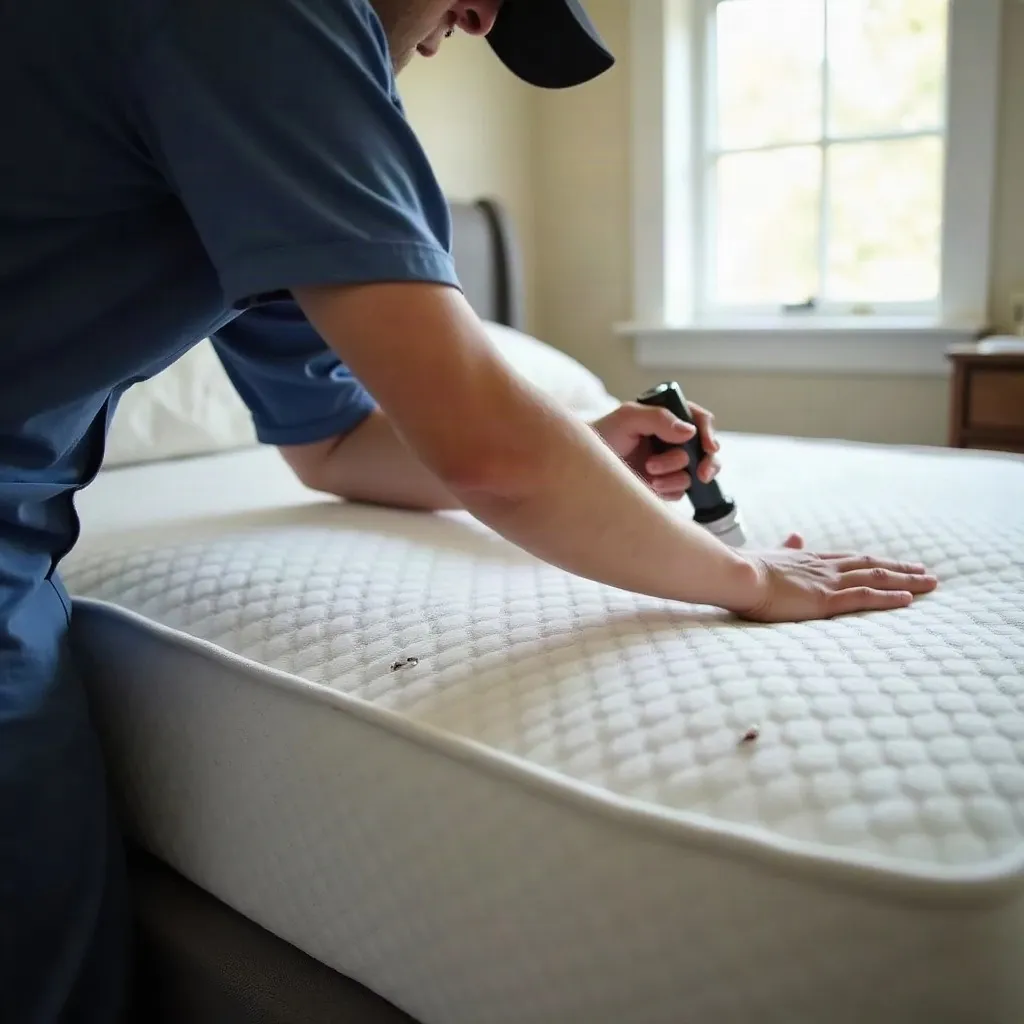
How can one figure out the top expert pest elimination service? To establish an well-researched decision, people should start by investigating local companies with a solid reputation. Feedback and testimonials from former clients provide perspective into the effectiveness and dependability of services offered. It is crucial examine this material to verify that the exterminators are certified and covered, ensuring they conform to industry standards.
Next, look into the methods utilized in extermination. Reputable companies typically supply a assortment of approaches, encompassing chemical treatments and heat applications. Asking about their follow-up procedures can also indicate their commitment to enduring outcomes. Securing various estimates allows for contrast, but the smallest expense should not be the main criterion. Finally, a good extermination service will provide a clear explanation of the process and address any questions, fostering trust and confidence in their competence.
Stopping Future Bed Bug Outbreaks
After obtaining expert pest control treatment, focus should shift toward avoiding subsequent pest problems. Implementing proactive measures is essential to keeping your space free from bed bugs. First, regular inspections of bedrooms and adjacent furnishings can aid in identifying any early signs of bed bugs. Utilizing protective mattress and box spring encasements creates a barrier that prevents bed bugs from hiding and breeding.
Moreover, it is important to be careful when on trips. Checking hotel rooms and maintaining luggage raised up can minimize the risk of bringing bed bugs home. Decluttering living spaces also decreases potential hiding spots, making it easier to spot any infestations early.
Additionally, informing all household members about bed bug indicators and prevention strategies establishes a shared accountability. By embracing these practices, homeowners can significantly minimize the chances of a future bed bug infestation, thereby preserving a comfortable and pest-free living space.
Daily Routines to Keep a Bed Bug-Free Home
To maintain a bed bug-free house, one must adopt consistent daily routines that reduce infestation risks. Regular inspection of sleep spaces is essential; checking for indicators like shed skins or dark spots on bedding aids in catching issues early. Weekly washing of bedding and linens in hot water remains an effective approach, as high temperatures eliminate any eggs or bugs.
Frequent vacuuming, particularly in spaces where pets rest and along baseboards, can eliminate hidden bed bugs and their eggs. Keeping clutter to a minimum also aids in prevention, as it provides fewer hiding spots.
When journeying, guests should assess hotel rooms and position luggage raised up on racks rather than on beds or floors. Additionally, sealing cracks and crevices in walls or furniture can greatly decrease the chances of bed bug entry. Adopting these daily practices fosters a proactive approach to sustaining a pest-free environment.
Regular Commonly Asked Questions
How Long Can Bed Bugs Exist Without a Host?
Bed bugs can persist without a host for several months, usually lasting between two and six months. Their durability enables them to withstand in food-free environments, waiting for a suitable host to appear.
Do Bed Bugs spread Diseases to Humans?
Bed bugs do not transmit diseases to humans, per health experts. Their bites can produce pain and allergic reactions, but they are not documented carriers of harmful microorganisms that cause illness or serious illnesses.
Do Animals Introduce Bed Bugs Into Your Home?
Pets may inadvertently transport bed bugs into your residence by collecting them from contaminated spaces. While bed bugs do not typically plague pets, they can catch a ride on fur or personal items.
Can You Safely Use Insecticides Near Kids?
Deploying pesticides where kids are located carries safety risks. It's critical to follow label requirements, establish proper oxygen circulation, and distance children from the area during application. Speaking with a pest control consultant can furnish safer substitutes and instruction for family dwellings.
How can I determine if my pest control service was effective?
To assess if bed bug treatment was successful, one should keep track of for signs such as welts, shed skins, or live insects for a few weeks. Ongoing inspections and repeat treatments may be necessary for thorough eradication.
Report this page